What Games Teach Us About Strategy
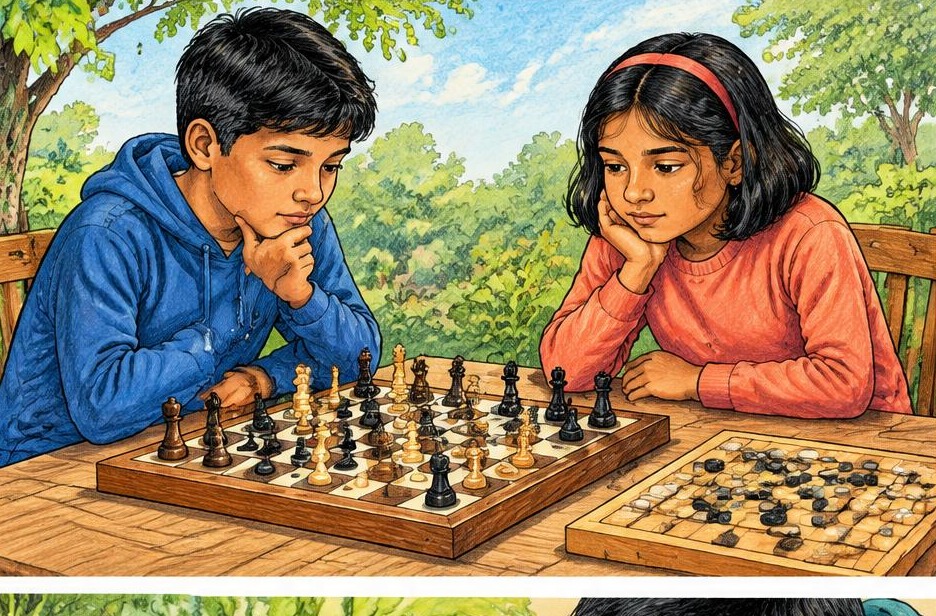
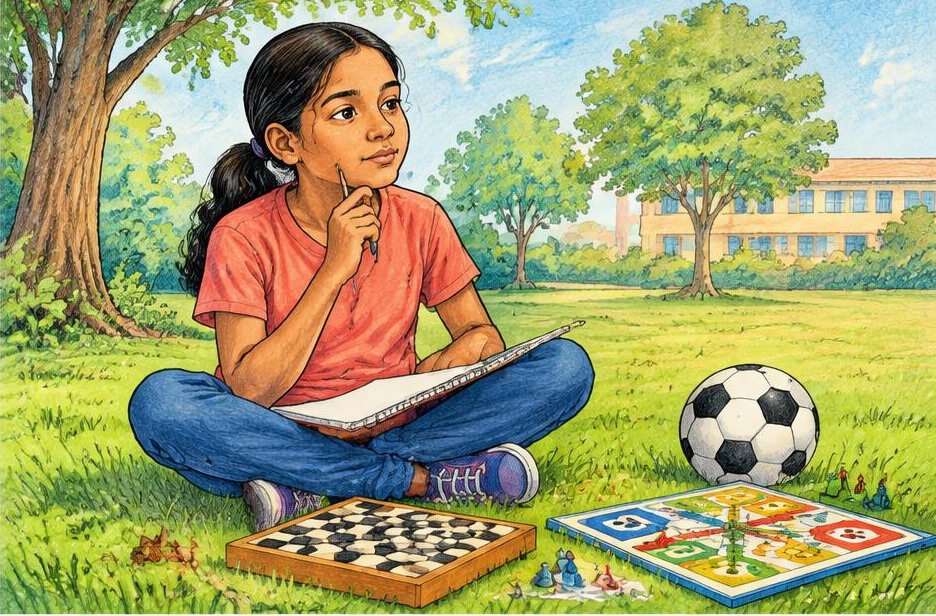
Why do some people become better at chess, puzzles, or board games with practice? Is it because they memorise every possible move?
Why do some people become better at chess, puzzles, or board games with practice?
Is it because they memorise every possible move?
Not necessarily.
Often, they learn to recognise patterns, anticipate possibilities, and make thoughtful decisions.
This is strategic thinking.
Strategy means planning actions to achieve a goal while considering what might happen next.
Imagine playing tic-tac-toe.
You could place your mark anywhere.
But a strategic player asks:
"If I make this move, what could my opponent do next?"
They think beyond the immediate action.
Games also teach us to adapt.
Sometimes our original plan doesn't work.
A good player observes what changed and develops a new approach.
And losing a game can be just as valuable as winning when we reflect on our decisions.
These skills extend beyond games.
Planning a project, organising an event, or solving a difficult problem can all involve strategic thinking.
The best players don't just think about their next move. They learn to think about possibilities.