How to Design Something for Someone Else
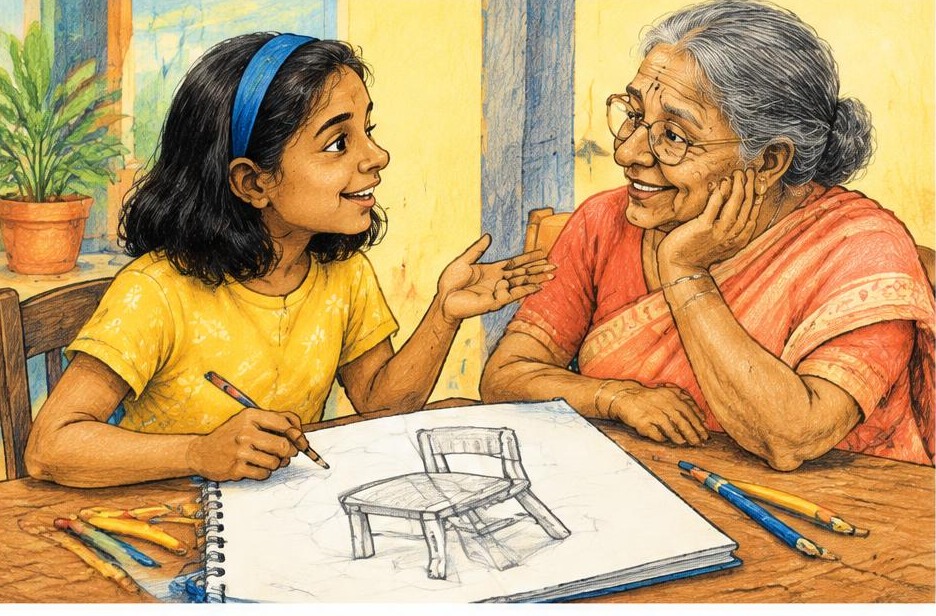
Imagine designing a chair for your grandmother. Would you make it exactly like your own chair? Probably not. You might consider its height, comfort, stability, and how easily she can sit down or stand up.
Imagine designing a chair for your grandmother.
Would you make it exactly like your own chair?
Probably not.
You might consider its height, comfort, stability, and how easily she can sit down or stand up.
That's the beginning of human-centred design.
Good designers don't create only what they personally like. They try to understand what other people need.
This requires listening, observing, and asking thoughtful questions.
What does the person find difficult?
What would make their experience easier?
What matters most to them?
Children can practise empathy by designing solutions for family members, friends, or people in their community.
The goal isn't to guess what others need.
It's to involve them in discovering a better solution.
When we design with people in mind, creativity becomes an act of care.